Lighting a fire on a chilly evening should fill your living room with warmth, relaxation, and the comforting crackle of burning logs. But when smoke rolls out of the hearth opening instead of floating up the chimney, it quickly creates coughing, stinging eyes, and lingering soot stains on walls and mantels. Here are the seven most common reasons your fireplace smokes into the house and how to fix them.
1. A Closed or Partially Open Damper
It sounds simple, but a closed or partially stuck damper is the single most frequent cause of fireplace smoke rollouts. The damper is a metal plate located in the throat or top of the chimney designed to seal off drafts when the fireplace is not in use.
If the lever or chain mechanism is stiff, rusted, or dislodged from its track, the damper may only open halfway. Always look up into the firebox with a flashlight to visually verify that the damper plate is completely vertical and open before lighting kindling.
2. A Cold Flue Dampering the Updraft
Chimneys work on basic physics: hot air rises because it is less dense than cool air. When your chimney flue is packed with dense, stagnant, cold air on a freezing night, that cold column acts like an invisible plug sitting above your firebox.
If you strike a match under cold air, the smoke has nowhere to rise and spills out into your warm room. To remedy this, "prime the flue" before lighting your fire: roll a single sheet of newspaper into a loose cone torch, hold it under the open damper, and let the flame heat the column for 30 to 60 seconds until you see the flame tip drawn upward into the flue.
3. Negative Pressure and Competing Exhaust Fans
Modern homes in Texas are built with tight weatherstripping, spray foam insulation, and energy-efficient windows. While great for lowering electric bills, a tightly sealed home can create negative indoor air pressure.
When powerful appliances like kitchen range hoods, bathroom exhaust fans, or clothes dryers run simultaneously, they pump air out of the house. To replace that air, your home will naturally pull air down the largest open vent available—your chimney flue. Cracking a nearby window one or two inches while lighting your fire equalizes pressure and restores an upward draft.
4. Wet or Unseasoned Firewood
Burning unseasoned or damp wood requires excessive energy just to boil off internal water before the wood can combust. This lowers the temperature of the fire significantly, resulting in thick, smoldering, heavy smoke that lacks sufficient buoyant heat to rise up the chimney.
The EPA Burn Wise Program recommends burning only split hardwood seasoned for at least six to twelve months with moisture levels under 20%. Dry wood ignites promptly, burns clean, and generates strong thermal updrafts.
5. Flue Blockages and Animal Nests
If your chimney cap is rusted or missing, foreign debris can easily obstruct the flue passage. Birds, squirrels, raccoons, and wasps frequently build nests inside chimneys during spring and summer. Additionally, windblown tree branches and leaves can collect on the smoke shelf.
A restricted flue cannot exhaust full combustion volumes. Arranging for certified chimney cleaning in Forney eliminates physical obstructions and ensures clear airflow throughout the flue column.
6. Heavy Soot and Creosote Accumulation
Over months and years of use, soot and tar-like creosote line the flue walls, steadily decreasing the internal diameter of the chimney pipe. When the effective flue area shrinks, it can no longer vent the volume of gases produced by modern fireplace fires.
A professional sweep restores full flue clearance, optimizing draft and eliminating the risk of internal chimney fires.
7. Design Flaws, Broken Liners, and Inadequate Chimney Height
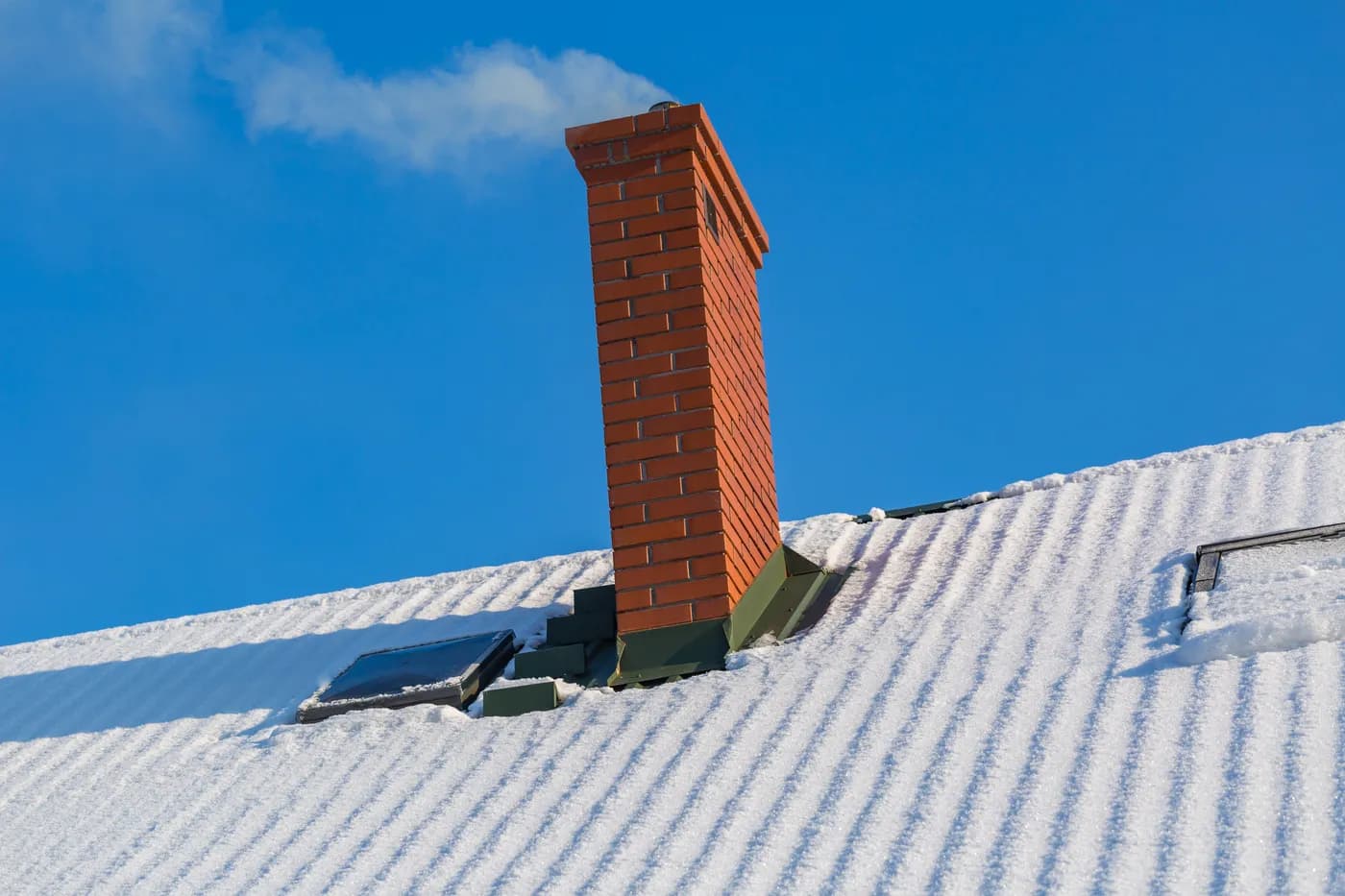
Sometimes the issue is structural. For a chimney to draft reliably, it must satisfy the standard 3-2-10 building code rule: extending at least three feet above the highest point where it penetrates the roof, and two feet higher than any building portion within ten horizontal feet.
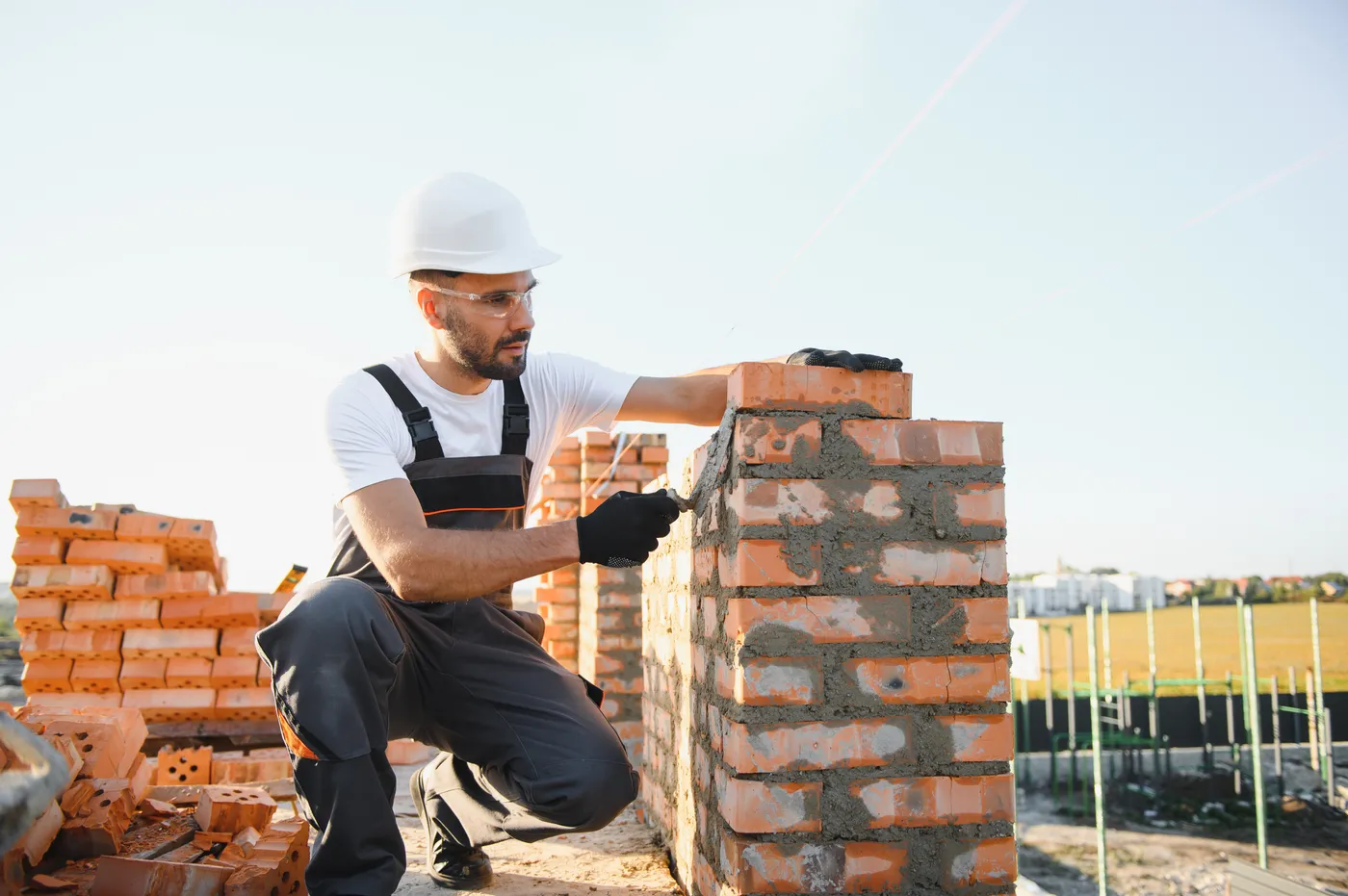
A chimney that is too short, or a firebox opening that is oversized compared to the flue liner diameter, will consistently smoke into the room. If structural adjustments or smoke chamber parging are needed, our team specializes in comprehensive chimney repair to resolve drafting defects permanently.
Schedule a Professional Chimney Diagnostic
Don't let a smoky fireplace ruin cozy winter evenings. Based at 111 W Main St, Forney, TX 75126, United States, Blackridge Chimney Sweep Forney provides thorough diagnostics to pinpoint draft problems quickly. Contact us today at (469) 382-3788 or schedule a professional chimney inspection to enjoy clear, smoke-free fires all season.